


Our websites are our online homes. It makes sense that we want to give them personality and warmth, just like we do with our physical homes.
One of the simplest updates with the biggest impact is a custom header, a completely free feature that’s available to the majority of themes on WordPress.com. A header instantly sets your blog apart — and with free online photo and graphic editing tools, a custom look is accessible to any blogger, no graphic design experience needed.
Take a look at the world of possibilities with these ten blogs:
Text, taken up a notch
A custom header doesn’t require a beautiful photo or exquisite drawing skills. Fonts have personality; just ask the bloggers and writers behind Don’t think just eat, Ellie and Ace, andThe Lovecraft eZine. Elegant, quirky, eerie — fonts can communicate all that, and more.


(Bonus points to The Lovecraft eZine
View original post 419 more words
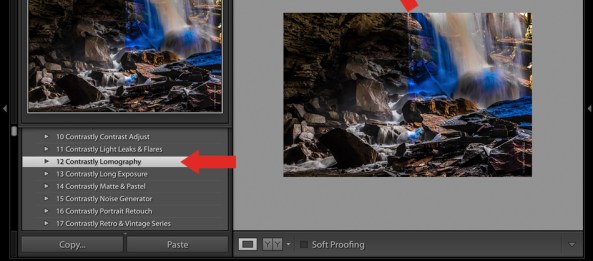
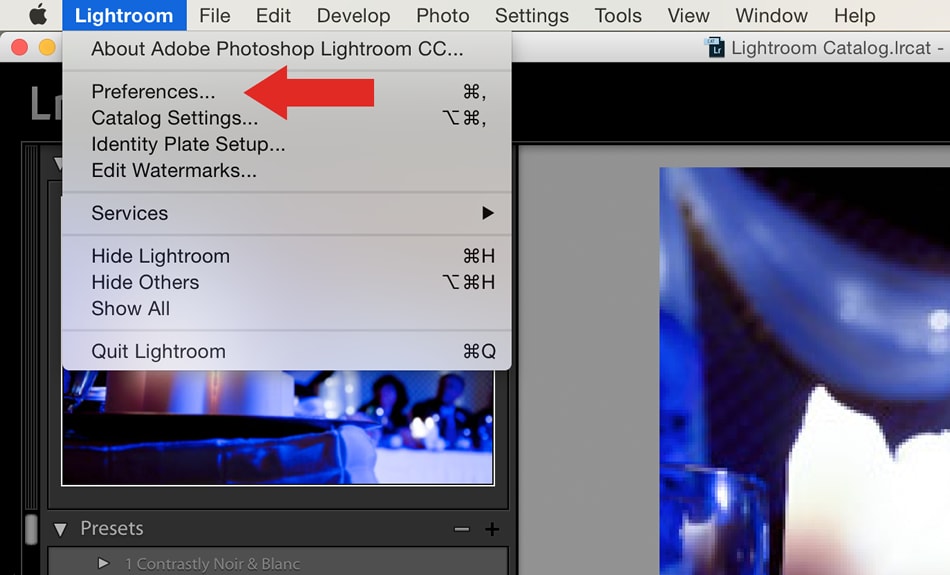 At the top of this window, you should see a few tabs. Click the “Presets tab“.
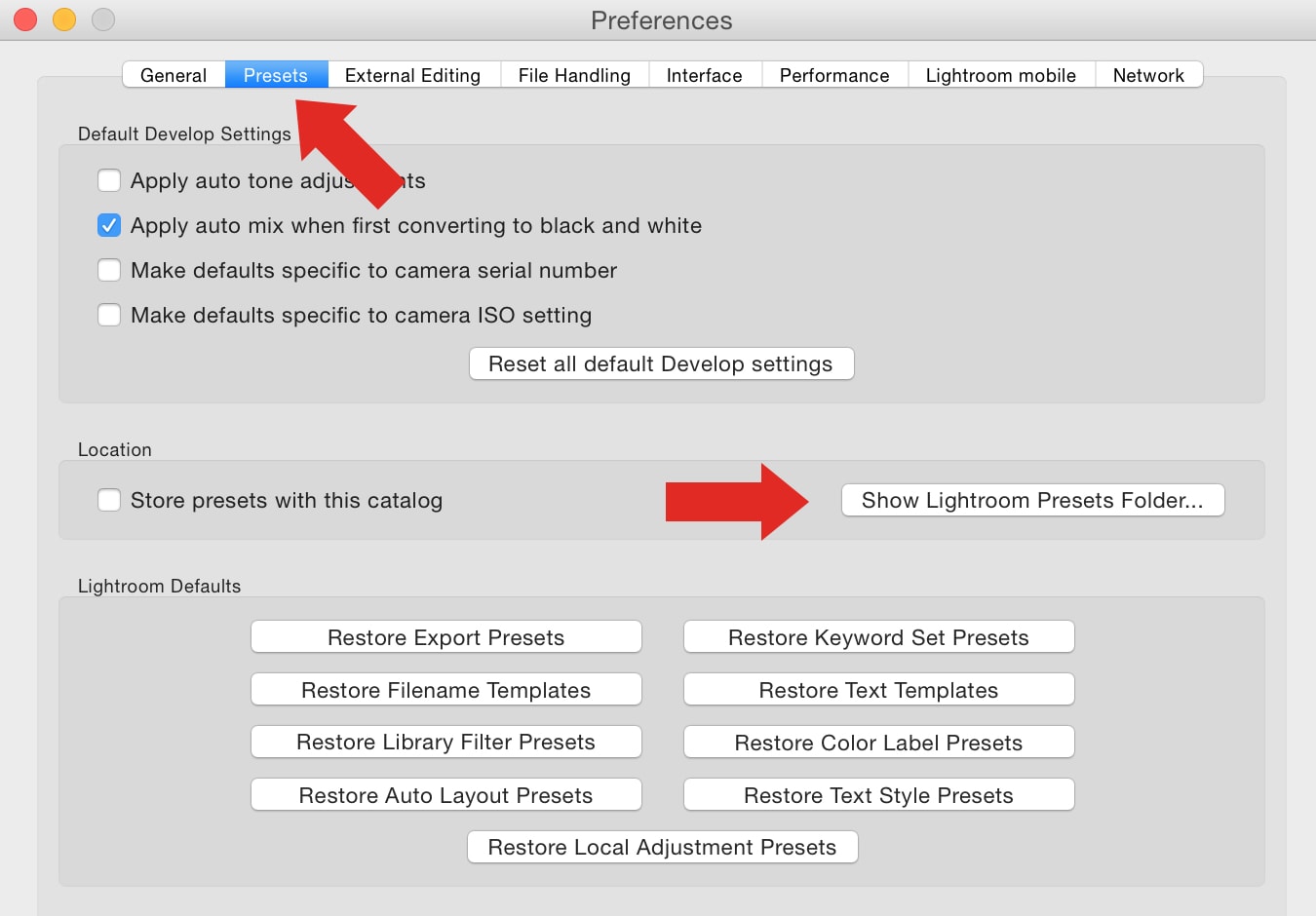 Then, click on “Show Lightroom Presets Folder“. This will open up your Lightroom Presets folder, inside it you will find a folder named “Develop Presets“. This is where you will install your Lightroom Presets, like the ones you purchased or downloaded from the
 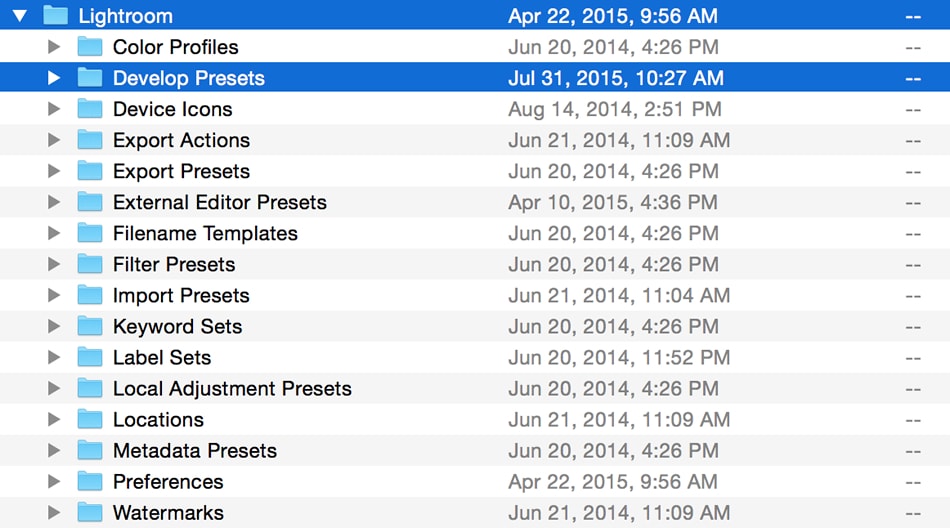 Open this folder. Inside of it you will find a few existing presets as well as any other presets you have installed already.
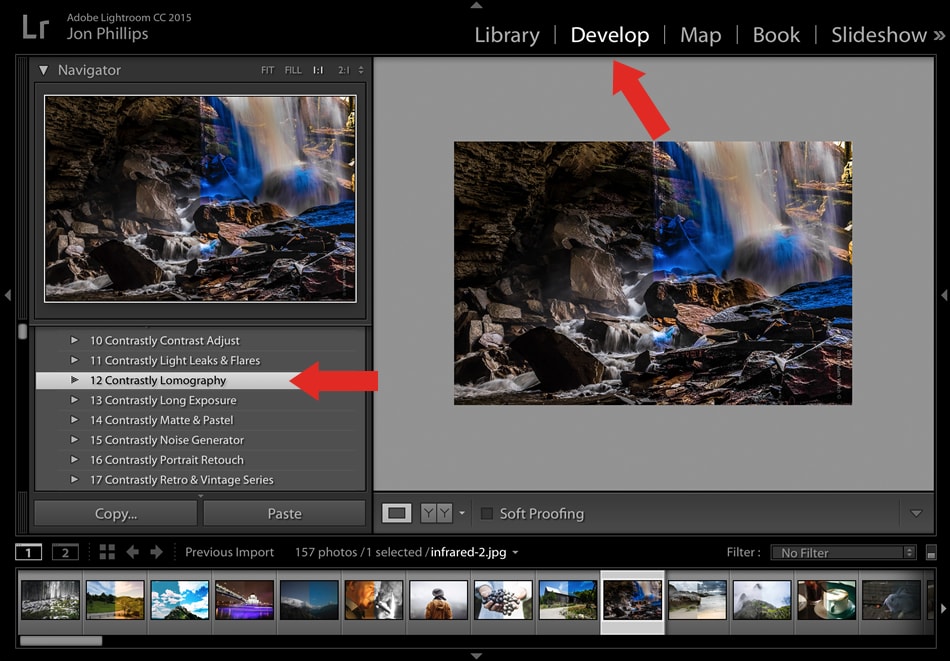 Enjoy!
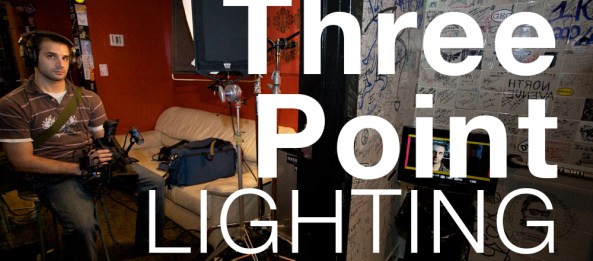

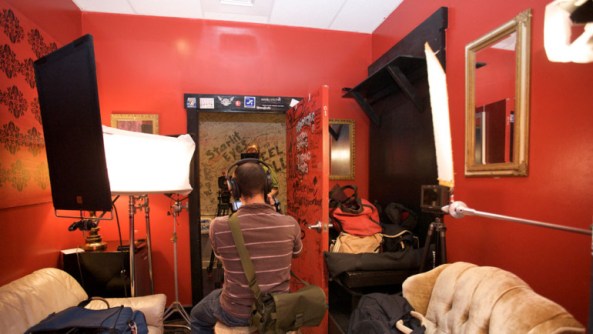
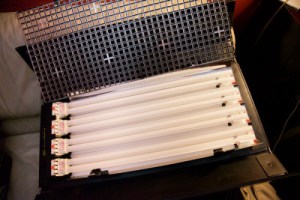 The key is generally your most intense light and is placed 15–45 degrees to the side of your subject. The main purpose of the key is to wrap the face in the appropriate quality of light based on the subject’s features and the story you want to tell.
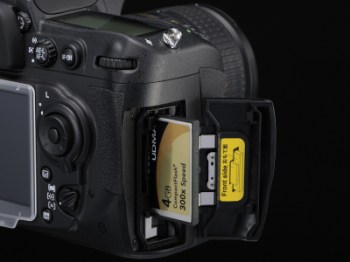 When digital cameras became commercially available, the memory cards used to store pictures were very expensive. Many photographers couldn’t afford multiple or high-capacity cards, so they wanted more images to fit on a single, smaller card. Many users also emailed their pictures to friends and family. Small file sizes enabled consumers who lacked an understanding of digital imaging to attach photos to emails with minimum technical headaches. With these two scenarios in mind, manufacturers turned to an Internet-friendly format, JPEG (Joint Photographic Experts Group). It was a proven technology and one that was familiar to many users.






 E-dreamconsulting