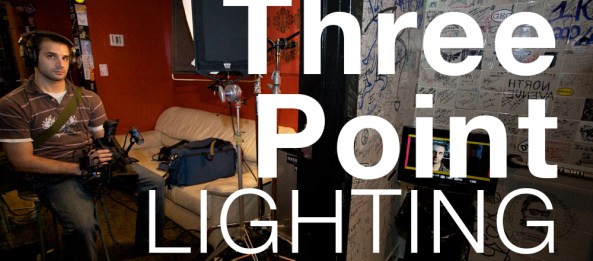
So what is Three-point lighting really all about. Consider this re-blogged post by Richard Harrington and James Ball.

This article was cowritten with my friend James Ball
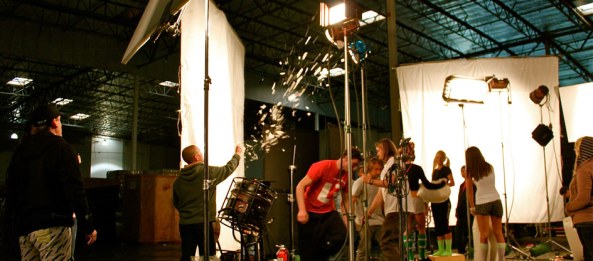
Three-point lighting is the basic starting point for film and video. It can also be used well as a portrait lighting approach for photography. What’s ideally happening is that the subject is light in a way that illuminates their face (with one side more dominant) and some separation from the background. This method utilizes three light sources focused on the subject from different angles. Mastering this technique is the foundation for more advanced lighting strategies. This approach is the basis for portrait lighting, but it can be used in other situations as well.
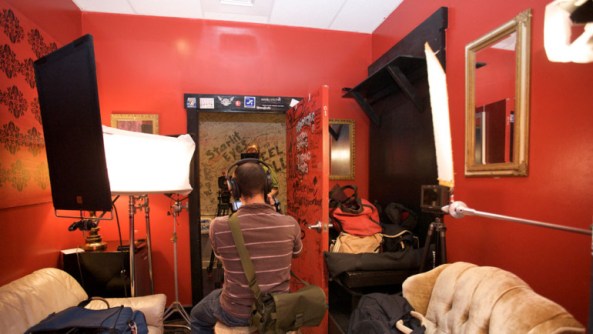
Key Light
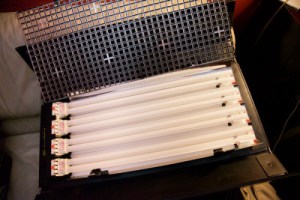 The key is generally your most intense light and is placed 15–45 degrees to the side of your subject. The main purpose of the key is to wrap the face in the appropriate quality of light based on the subject’s features and the story you want to tell.
View original post 1,059 more words

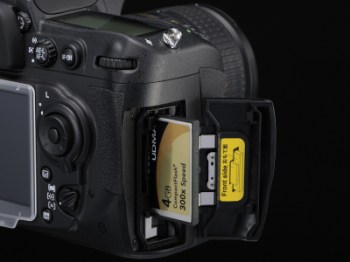 When digital cameras became commercially available, the memory cards used to store pictures were very expensive. Many photographers couldn’t afford multiple or high-capacity cards, so they wanted more images to fit on a single, smaller card. Many users also emailed their pictures to friends and family. Small file sizes enabled consumers who lacked an understanding of digital imaging to attach photos to emails with minimum technical headaches. With these two scenarios in mind, manufacturers turned to an Internet-friendly format, JPEG (Joint Photographic Experts Group). It was a proven technology and one that was familiar to many users.




 E-dreamconsulting